
How does early education and care affect children’s development?

How does early education and care affect children’s development?

Early childhood development has a huge impact on children’s lives. While a range of factors including the home environment influence development, research consistently shows that the early education and care children receive before they start school can be crucial. Evidence suggests early education and care has an impact on language skills, physical and social-emotional development, and how ready children are to start school by age four. Yet negative effects - particularly on social-emotional development - have also been reported.
Almost all children attend some form of early education and care before they start school. In England, for example, approximately 64% of two-year-olds, 83% of three-year-olds and 91% of four-year-olds do so. The recent expansion of government-funded entitlements means these figures are set to increase further. With so many children spending so long in these settings during their formative years, how do we ensure that they are receiving the best possible support?
In this article, we explore how early education and care can shape children’s development in the first five years of their lives and beyond, and why factors, such as quality of provision and the home learning environment, are a critical part of the picture.
What is early education and care?
Most people think of the term early education and care as being synonymous with childcare. However, early education and care - or early learning and care, as it's referred to in Scotland - is used to recognise the dual purposes these services provide for children from their birth until they begin formal schooling. These purposes are:
1. providing children with a foundation for lifelong learning (‘early education’), and
2. enabling parents and caregivers to participate in the workforce, attend school, engage in training, access respite, and draw on wider support networks (‘care’).
There are many types of public, private or voluntary settings that provide early education and care, including day nurseries, school-based nurseries, pre-school or playgroups and childminders. Each of these settings provides different services:
- Day nurseries provide full-day education and care for children from birth to age five. They are primarily designed to support working parents, often operating throughout the year (not just during term-time). Maintained day nurseries are funded and run by a Local Authority, while non-maintained day nurseries are run by private, voluntary or independent organisations.
- School-based nurseries are settings that are part of a primary school and primarily serve three to four year-olds, with some also taking two year-olds. They typically operate the same hours as a school day (eg, 9:00 to 15:15) and are term-time only.
- Pre-schools or playgroups offer shorter sessions of education and care (for example, three-hour morning sessions) and are typically term-time only.
- Childminders provide education and care for children in their own homes. They typically serve all age groups, and hours are set by the individual childminder. They often offer the most flexibility for families.
In England, these settings must follow the Early Years Foundation Stage statutory framework, which sets the standards for learning, development and safeguarding. In Scotland, they follow the Curriculum for Excellence, and in Wales, where play forms a big part of the picture, they follow the Curriculum for Wales.
Throughout this article, we use ‘early education and care’ to refer to these services.


What is early education and care?
Most people think of the term early education and care as being synonymous with childcare. However, early education and care - or early learning and care, as it's referred to in Scotland - is used to recognise the dual purposes these services provide for children from their birth until they begin formal schooling. These purposes are:
1. providing children with a foundation for lifelong learning (‘early education’), and
2. enabling parents and caregivers to participate in the workforce, attend school, engage in training, access respite, and draw on wider support networks (‘care’).
There are many types of public, private or voluntary settings that provide early education and care, including day nurseries, school-based nurseries, pre-school or playgroups and childminders. Each of these settings provides different services:
- Day nurseries provide full-day education and care for children from birth to age five. They are primarily designed to support working parents, often operating throughout the year (not just during term-time). Maintained day nurseries are funded and run by a Local Authority, while non-maintained day nurseries are run by private, voluntary or independent organisations.
- School-based nurseries are settings that are part of a primary school and primarily serve three to four year-olds, with some also taking two year-olds. They typically operate the same hours as a school day (eg, 9:00 to 15:15) and are term-time only.
- Pre-schools or playgroups offer shorter sessions of education and care (for example, three-hour morning sessions) and are typically term-time only.
- Childminders provide education and care for children in their own homes. They typically serve all age groups, and hours are set by the individual childminder. They often offer the most flexibility for families.
In England, these settings must follow the Early Years Foundation Stage statutory framework, which sets the standards for learning, development and safeguarding. In Scotland, they follow the Curriculum for Excellence, and in Wales, where play forms a big part of the picture, they follow the Curriculum for Wales.
Throughout this article, we use ‘early education and care’ to refer to these services.
Early education and care can benefit children immediately and far into the future, especially those from disadvantaged backgrounds
Evidence clearly shows that when children receive early education and care, it can have an impact on their early language and communication skills, physical development, early academic abilities and how they form relationships with others. We also see impacts extending far into the future on outcomes such as school performance, likelihood of graduating high school and earning potential when they enter the world of work.
Evaluations of high-quality early years provision in the US and England have found that children from low-income families, minoritised backgrounds, and whose main language is not English can benefit more from early education and care than their more affluent or white peers on a range of developmental outcomes. Early education and care can offer crucial resources and stimulation that more affluent children are already more likely to receive at home.
But the picture is not as clear-cut as it seems. When looking at both short and long-term outcomes, different studies have reported a variety of positive, negative and null findings. This raises the question: why do we see mixed results regarding the influence of early education and care on child outcomes?
Not all early education is equal
It’s important to remember that children can have very different experiences of early education and care. The impact of early education and care on a child’s development depends on a range of interlinked factors. These include, but are not limited to, the quality of provision, the child’s age, the amount of time spent in settings, the home learning environment, the type of provider, the degree of mixing between children of different backgrounds and what happens in later schooling.





1. Quality plays a crucial role
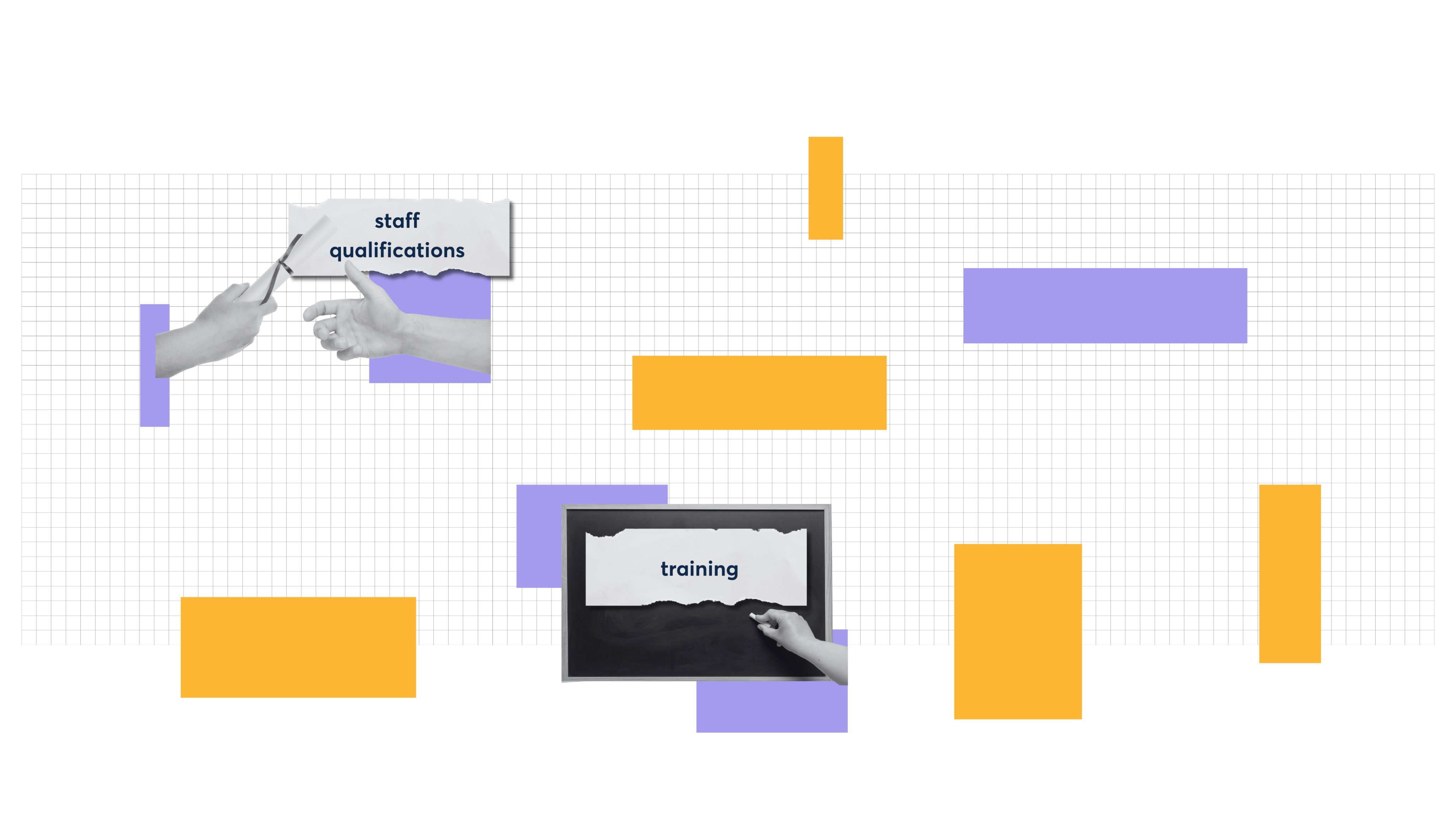
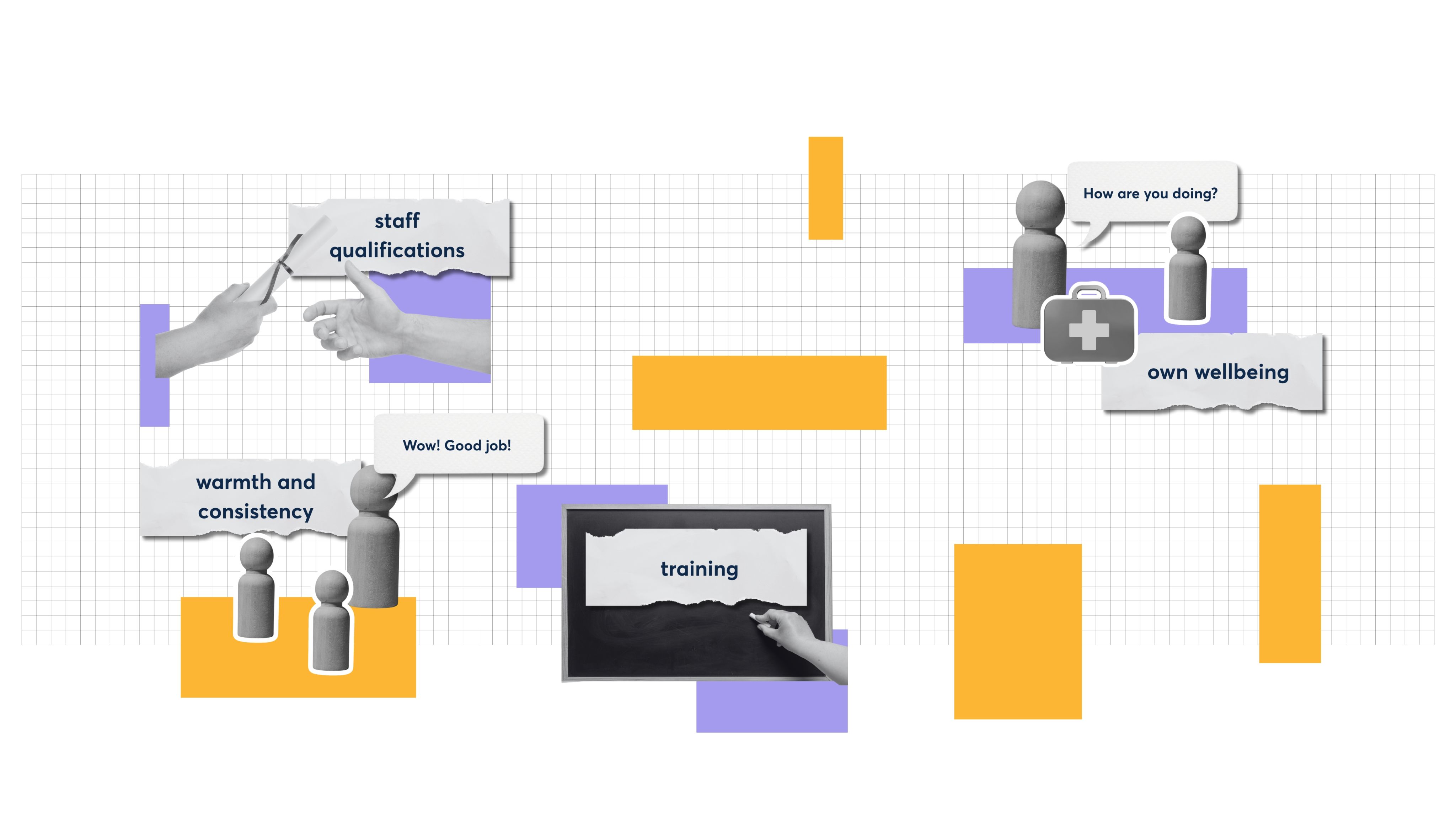
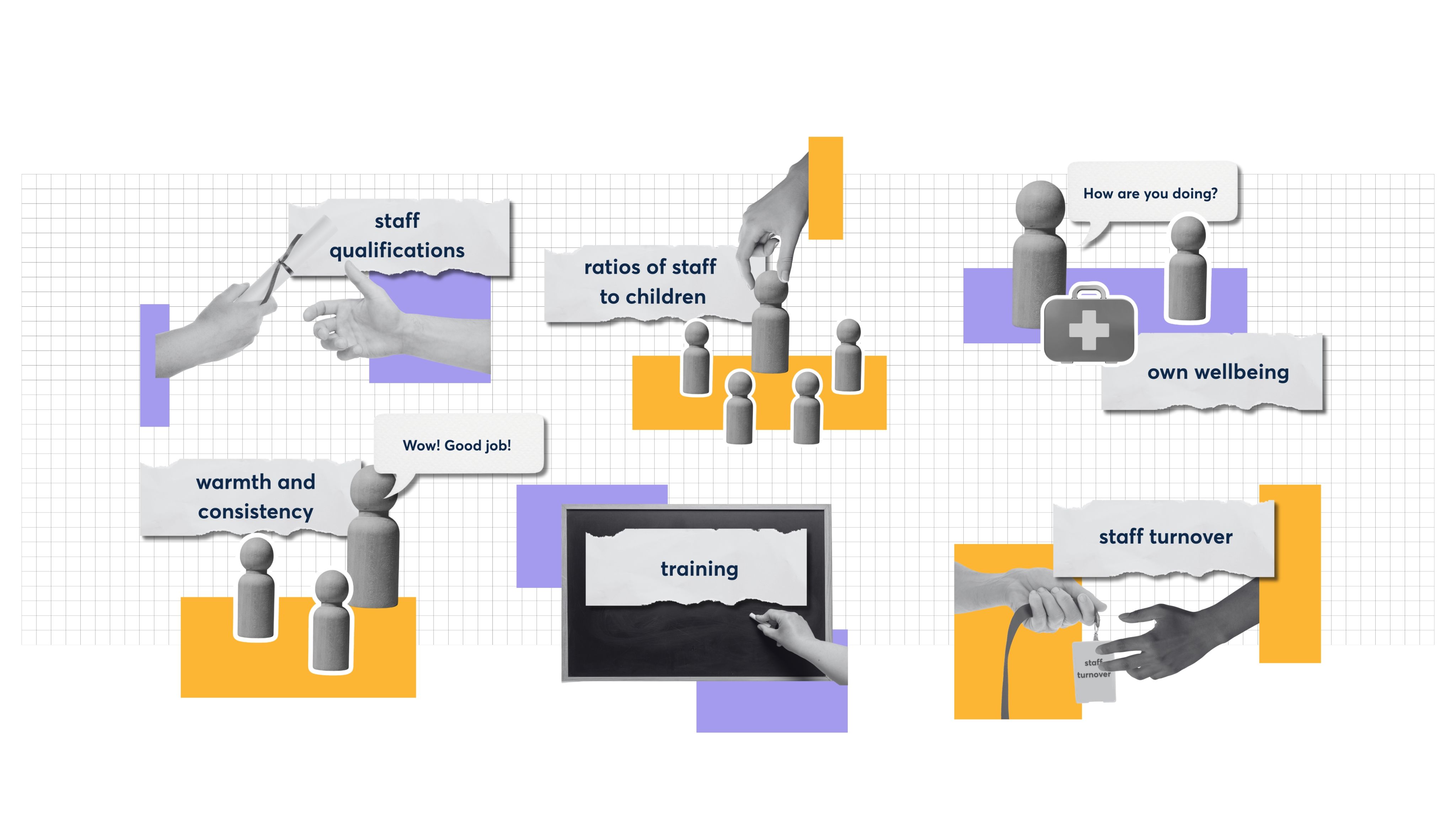
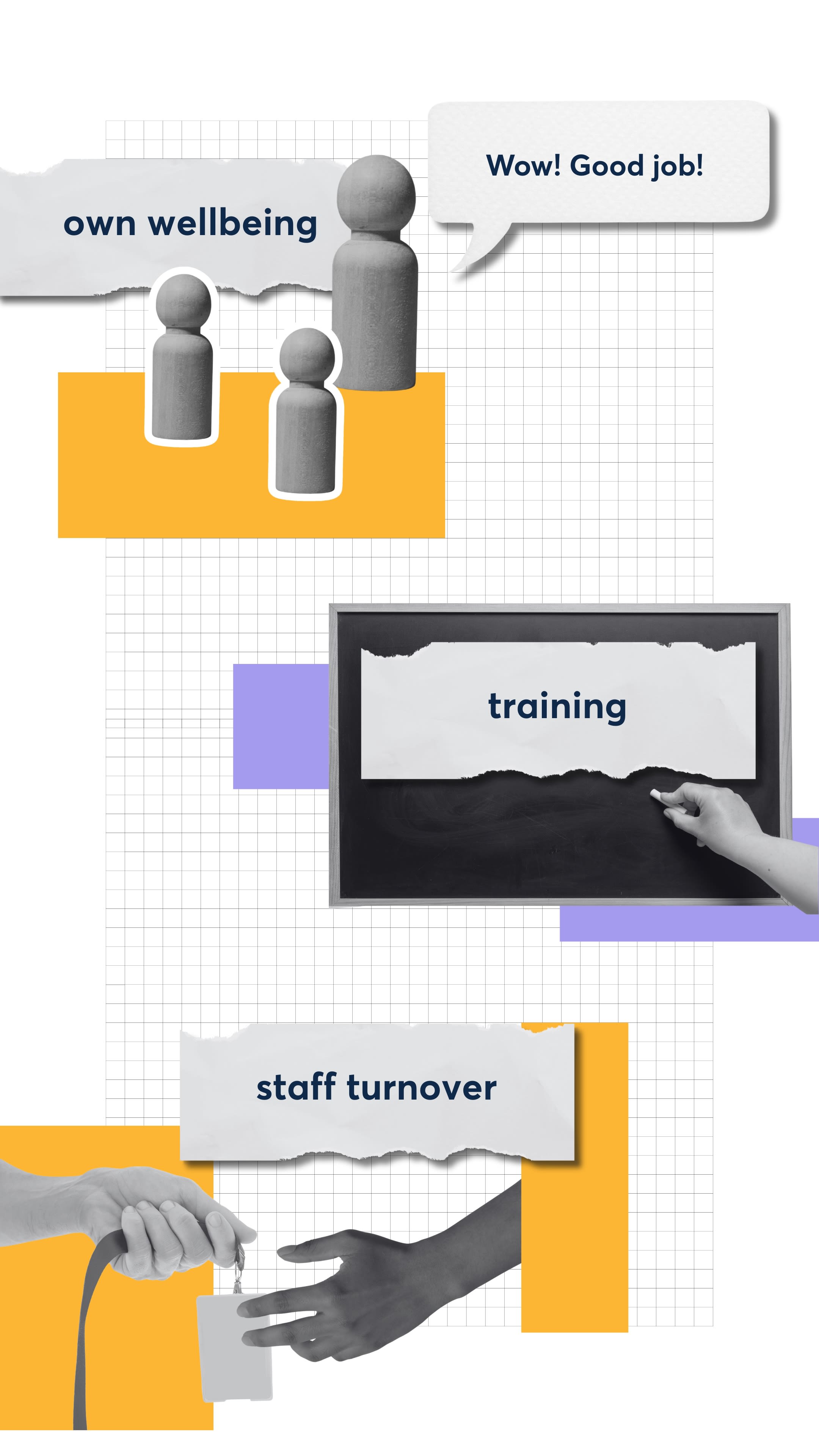
When we consider what makes early education and care high-quality, there are two key aspects: structure and process. Structural quality refers to the more tangible things, such as staff qualifications, training, ratios of staff to children, and levels of staff turnover. Process quality relates to the child's direct experiences in settings, including the warmth and consistency of their relationships with educators, as well as their own well-being. Evidence suggests that process quality is the strongest predictor of child outcomes, although structural quality matters too.
Structural elements of quality are best seen as enablers of process quality. Staff with higher qualifications and better training, working in rooms with higher staff-child ratios, are likely to have the knowledge and capacity to engage in high-quality, child-led interactions that support children’s development. Structural elements are often necessary, but on their own, they are not enough to guarantee a rich, emotionally supportive early learning environment.
Evidence suggests that intensive, high-quality early education and care is linked to better short- and long-term outcomes for disadvantaged children when compared to care from parents at home.
For example, the Perry Preschool Project - a Michigan-based randomised trial from the 1960s which provided half-day preschool for disadvantaged three to four year-olds - found that attending a high-quality early education setting improved IQ scores, academic performance, school engagement, and reduced special educational needs. While initial gains in IQ scores were reported as fading after one year, the long-term follow-up showed enduring benefits into adulthood, including higher earnings and financial stability, reduced criminal activity and improved health. Other US-based studies, such as the Abecedarian Project, show similar results.
In the UK, the Effective Pre-school, Primary and Secondary Education (EPPSE) project found that children who attended high-quality early education and care had slightly better GCSE results at age 16 compared to children who were cared for at home, and the improvements were particularly notable for children facing disadvantage.
As we might expect, there is also evidence that high-quality care is more effective than low-quality care. The EPPSE study found that children in high-quality care showed more positive social behaviour - such as sharing and helping others - and lower levels of hyperactivity than children who attended low-quality provision. And England’s Study of Early Education and Development (SEED) - a successor of EPPSE - found that children who spent more time in high-quality formal group early education and care had stronger academic abilities and better skills for forming relationships at age four when compared to children in low-quality care. The US-based study of Early Child Care and Youth Development has similar findings, although results are more modest.
Outcomes are also poorer for children in low-quality care when compared to care from parents at home - perhaps because that low-quality environment is less stimulating and stable than the home environment it replaces.
Many of the programmes that showed positive results were small-scale, tightly controlled, and run by highly trained staff with a low ratio of children per staff. So when early education and care is expanded, it can be challenging to maintain these high-quality standards.
For example, in 1997, Quebec, Canada, launched a universal childcare policy for four-year-olds, with the aim of getting more mothers into the workforce. A rapid, large-scale rollout of early education and care subsequently resulted in a decline in the quality of care. Children affected by this policy have since been associated with greater social-emotional problems, higher rates of behavioural problems, poorer health and greater levels of criminal activity compared to older children who weren’t affected by this policy change.
1. Quality plays a crucial role
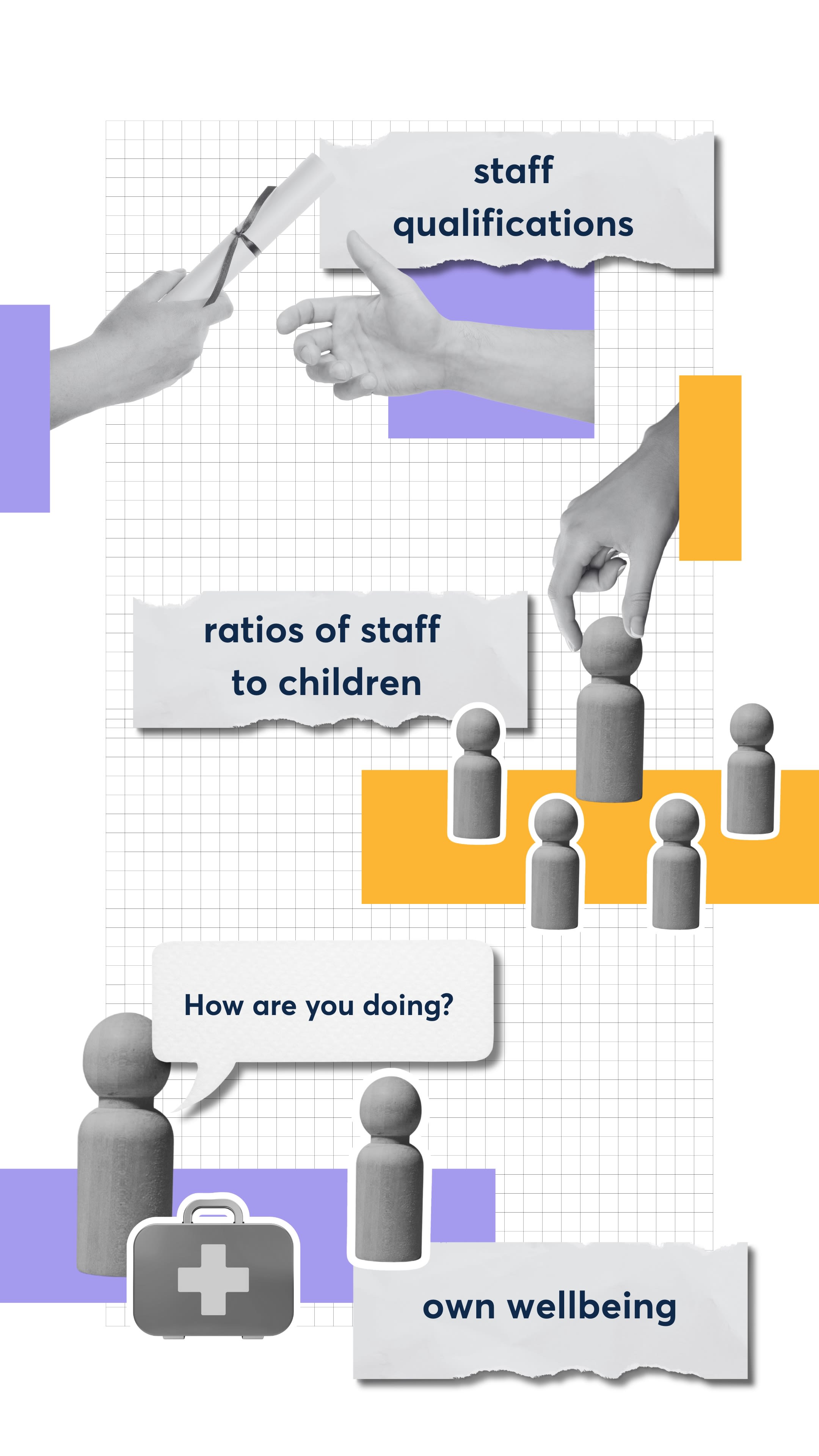
When we consider what makes early education and care high-quality, there are two key aspects: structure and process. Structural quality refers to the more tangible things, such as staff qualifications, training, ratios of staff to children, and levels of staff turnover. Process quality relates to the child's direct experiences in settings, including the warmth and consistency of their relationships with educators, as well as their own well-being. Evidence suggests that process quality is the strongest predictor of child outcomes, although structural quality matters too.
Structural elements of quality are best seen as enablers of process quality. Staff with higher qualifications and better training, working in rooms with higher staff-child ratios, are likely to have the knowledge and capacity to engage in high-quality, child-led interactions that support children’s development. Structural elements are often necessary, but on their own, they are not enough to guarantee a rich, emotionally supportive early learning environment.

Evidence suggests that intensive, high-quality early education and care is linked to better short- and long-term outcomes for disadvantaged children when compared to care from parents at home.
For example, the Perry Preschool Project - a Michigan-based randomised trial from the 1960s which provided half-day preschool for disadvantaged three to four year-olds - found that attending a high-quality early education setting improved IQ scores, academic performance, school engagement, and reduced special educational needs. While initial gains in IQ scores were reported as fading after one year, the long-term follow-up showed enduring benefits into adulthood, including higher earnings and financial stability, reduced criminal activity and improved health. Other US-based studies, such as the Abecedarian Project, show similar results.
In the UK, the Effective Pre-school, Primary and Secondary Education (EPPSE) project found that children who attended high-quality early education and care had slightly better GCSE results at age 16 compared to children who were cared for at home, and the improvements were particularly notable for children facing disadvantage.
As we might expect, there is also evidence that high-quality care is more effective than low-quality care. The EPPSE study found that children in high-quality care showed more positive social behaviour - such as sharing and helping others - and lower levels of hyperactivity than children who attended low-quality provision. And England’s Study of Early Education and Development (SEED) - a successor of EPPSE - found that children who spent more time in high-quality formal group early education and care had stronger academic abilities and better skills for forming relationships at age four when compared to children in low-quality care. The US-based study of Early Child Care and Youth Development has similar findings, although results are more modest.
Outcomes are also poorer for children in low-quality care when compared to care from parents at home - perhaps because that low-quality environment is less stimulating and stable than the home environment it replaces.
Many of the programmes that showed positive results were small-scale, tightly controlled, and run by highly trained staff with a low ratio of children per staff. So when early education and care is expanded, it can be challenging to maintain these high-quality standards.
For example, in 1997, Quebec, Canada, launched a universal childcare policy for four-year-olds, with the aim of getting more mothers into the workforce. A rapid, large-scale rollout of early education and care subsequently resulted in a decline in the quality of care. Children affected by this policy have since been associated with greater social-emotional problems, higher rates of behavioural problems, poorer health and greater levels of criminal activity compared to older children who weren’t affected by this policy change.
2. Child age and how long they attend early education and care are also critical
Some evidence suggests that extended periods of early education and care before the age of two - whether formal or informal (such as, with relatives) - is linked to an increased risk of emotional and behavioural problems from three onwards. Long periods away from parents may be stressful for very young children or lead to them receiving less one-to-one attention, so it is not necessarily the case that starting education earlier or spending longer in formal settings is automatically beneficial.
Evidence also suggests that at this very young age, children are particularly vulnerable to the negative effects of low quality in terms of process quality. So, whilst quality certainly matters, age and hours of attendance are also important.





2. Child age and how long they attend early education and care are also critical
Some evidence suggests that extended periods of early education and care before the age of two - whether formal or informal (such as, with relatives) - is linked to an increased risk of emotional and behavioural problems from three onwards. Long periods away from parents may be stressful for very young children or lead to them receiving less one-to-one attention, so it is not necessarily the case that starting education earlier or spending longer in formal settings is automatically beneficial.
Evidence also suggests that at this very young age, children are particularly vulnerable to the negative effects of low quality in terms of process quality. So, whilst quality certainly matters, age and hours of attendance are also important.
3. The benefits of early education and care are influenced by the home learning environment
Early education and care can play a vital role in closing gaps between disadvantaged children and their peers, as it can directly address inequalities in resources available in the homes, such as access to books.
Findings from England’s SEED study show how the benefits of early education and care can be different for children depending on their home learning environment and household income. Looking at children who received high-quality early education between the ages of three and school entry, SEED found:
- improvements in non-verbal cognitive skills at age five to six for children with a home learning disadvantage (eg, this could include limited opportunities for home learning activities or high levels of household disorder)
- improvements in non-verbal ability and socio-emotional development for children with economic disadvantage (eg, low household income)
- the most significant improvements to social-emotional development for children facing both types of disadvantage.
The study of Early Child Care and Youth Development also found that the home environment was a stronger and more consistent predictor of children’s development at four and a half years old than any aspect of their early education and care experience, though high-quality education and care had its own distinct, measurable, and positive impact.
Early learning programmes also tend to be more effective, especially for disadvantaged families, when they integrate parenting support such as home visits that include an element of parental education.
3. The benefits of early education and care are influenced by the home learning environment
Early education and care can play a vital role in closing gaps between disadvantaged children and their peers, as it can directly address inequalities in resources available in the homes, such as access to books.
Findings from England’s SEED study show how the benefits of early education and care can be different for children depending on their home learning environment and household income. Looking at children who received high-quality early education between the ages of three and school entry, SEED found:
- improvements in non-verbal cognitive skills at age five to six for children with a home learning disadvantage (eg, this could include limited opportunities for home learning activities or high levels of household disorder)
- improvements in non-verbal ability and socio-emotional development for children with economic disadvantage (eg, low household income)
- the most significant improvements to social-emotional development for children facing both types of disadvantage.
The study of Early Child Care and Youth Development also found that the home environment was a stronger and more consistent predictor of children’s development at four and a half years old than any aspect of their early education and care experience, though high-quality education and care had its own distinct, measurable, and positive impact.
Early learning programmes also tend to be more effective, especially for disadvantaged families, when they integrate parenting support such as home visits that include an element of parental education.
4. Formal, socially-mixed group settings may be more effective, particularly for older children
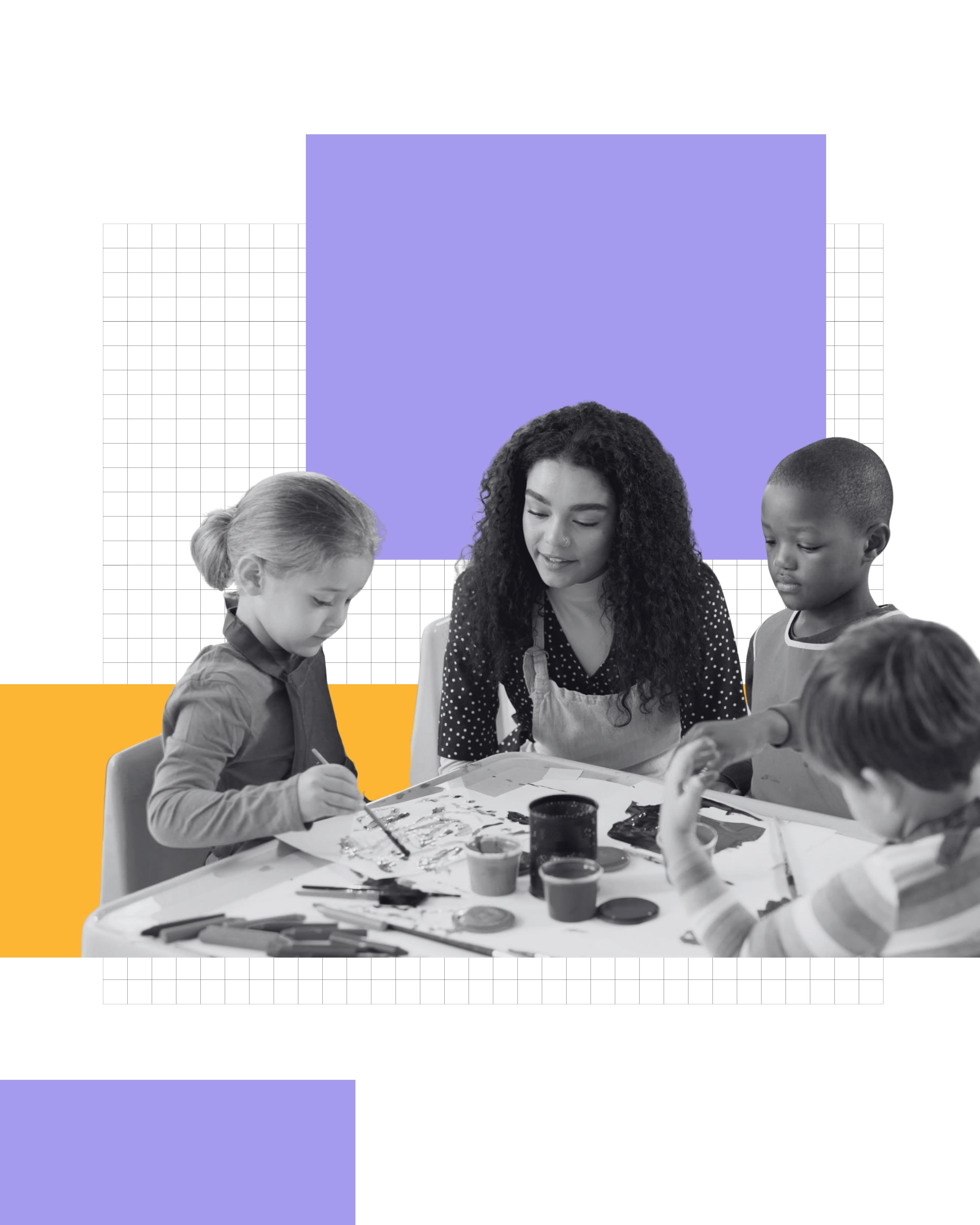
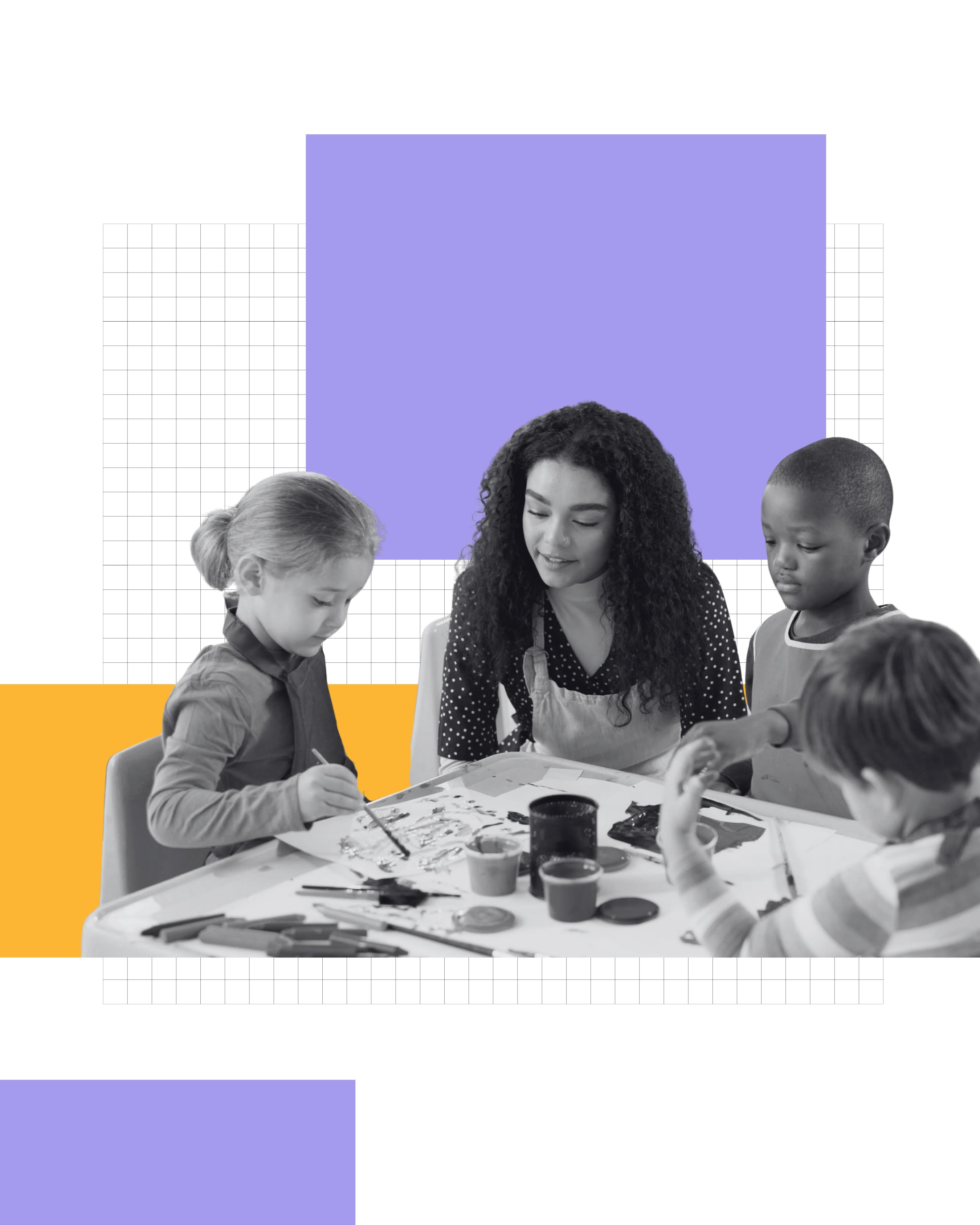
Setting type also seems to make a difference. Evidence from England’s SEED study suggests that attending formal, group-based care, such as a nursery, between the ages of two and three provides stronger gains in socio-emotional development at age three when compared to childminders or informal caregivers at the same age. In contrast, childminders and informal care were associated with greater improvements in cognitive development and language skills (specifically, better naming vocabulary). However, other studies have widely reported improvements in cognitive development from attending formal group-based care compared to informal care (such as with relatives), non-group care (such as childminders) and/or parent care. Age may play a role here, with some limited evidence suggesting younger children may develop better in smaller groups (found with childminders and informal caregivers) and older children benefiting more from the additional social interactions they obtain in formal group-based settings like nurseries.
Evidence also suggests that all children benefit more in settings with children from a variety of different backgrounds, but gains are more evident for disadvantaged children. For example, the EPPSE study found that settings with a more diverse group of children were linked to better pre-reading, mathematical skills and social skills for disadvantaged children. This is likely because mixing between children from different backgrounds allows for the formation of cross-cultural relationships and stronger community cohesion, particularly in diverse areas such as London.
4. Formal, socially-mixed group settings may be more effective, particularly for older children
Setting type also seems to make a difference. Evidence from England’s SEED study suggests that attending formal, group-based care, such as a nursery, between the ages of two and three provides stronger gains in socio-emotional development at age three when compared to childminders or informal caregivers at the same age. In contrast, childminders and informal care were associated with greater improvements in cognitive development and language skills (specifically, better naming vocabulary). However, other studies have widely reported improvements in cognitive development from attending formal group-based care compared to informal care (such as with relatives), non-group care (such as childminders) and/or parent care. Age may play a role here, with some limited evidence suggesting younger children may develop better in smaller groups (found with childminders and informal caregivers) and older children benefiting more from the additional social interactions they obtain in formal group-based settings like nurseries.
Evidence also suggests that all children benefit more in settings with children from a variety of different backgrounds, but gains are more evident for disadvantaged children. For example, the EPPSE study found that settings with a more diverse group of children were linked to better pre-reading, mathematical skills and social skills for disadvantaged children. This is likely because mixing between children from different backgrounds allows for the formation of cross-cultural relationships and stronger community cohesion, particularly in diverse areas such as London.
5. What happens once children enter school makes a difference
The school environment plays a role in whether the initial benefits of early childhood education and care are sustained or diminished. On one hand, evidence suggests that initial benefits seen from high-quality early education can fade if children move to low-quality schools - a more common experience for disadvantaged children who are more likely to attend primary and secondary schools that have lower quality teaching and curricula. However, the benefits for disadvantaged children are less likely to fade if their school classrooms include many others who also attended early education and care.
5. What happens once children enter school makes a difference
The school environment plays a role in whether the initial benefits of early childhood education and care are sustained or diminished. On one hand, evidence suggests that initial benefits seen from high-quality early education can fade if children move to low-quality schools - a more common experience for disadvantaged children who are more likely to attend primary and secondary schools that have lower quality teaching and curricula. However, the benefits for disadvantaged children are less likely to fade if their school classrooms include many others who also attended early education and care.
Conclusion
The evidence clearly suggests access to early education and care can do much more than provide supervision or ‘babysitting’ - it can actively support children’s learning when designed and delivered well. The benefits are particularly powerful for disadvantaged children, for whom access can help close developmental gaps and improve life chances.
The age at which children first attend a setting, their duration of attendance, their home learning environment, setting type, opportunities for social mixing, and their later school experiences all influence the potential short and long-term benefits of education and care in the early years of life. But not all early education is equal. To give more children the chance to develop to their full potential in the early years, access to high-quality provision is critical.
 Built with Shorthand